

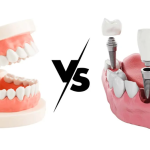

Full mouth dental implants are one of the most reliable and long-lasting ways to replace all missing teeth in the upper jaw, lower jaw, or the entire mouth. If you’ve been searching for “whole mouth dental implants,” “full arch implants,” or “implant-supported dentures,” you’re likely exploring options to restore function, confidence, and long-term oral health.
These restorations use a series of implants placed strategically in the jawbone, such as All-on-4 or All-on-X, to support a full set of new teeth. The result is a smile that looks natural, feels secure, and functions like real teeth. Unlike dentures, these implants do not slip or require adhesive.
To explore treatment options and receive professional guidance, visiting a trusted dental clinic can help you determine the best solution for your needs. This guide explains what full mouth dental implants are, who needs them, how they work, and how to know if they’re the right choice for your situation.
What Exactly Are Full Mouth Dental Implants?
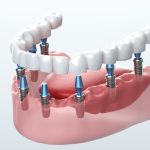
Full mouth dental implants replace an entire arch of missing teeth using as few as four dental implants per jaw. Each implant acts like a tooth root and provides strong support for a fixed bridge.
Full mouth implants are often compared to traditional dentures, partial dentures, dental bridges, and individual implants. While all of these serve the purpose of tooth replacement, full arch implants stand out because they are fixed in place, offer superior stability, and promote long-term oral health. There’s no need for adhesives, and you won’t experience slipping, clicking, or discomfort.
You may see different terms used interchangeably, such as whole mouth dental implants, full arch implants, All-on-4, All-on-X, implant-supported dentures, full jaw implants, and complete teeth replacement. Although the techniques and number of implants may vary, the goal remains the same: restoring all missing teeth with a secure, implant-supported full arch.
How Full Mouth Dental Implants Work
Full mouth dental implants follow a detailed and predictable treatment process.
The journey begins with a consultation and planning stage. During this step, a dentist or implant specialist evaluates your bone density, gum health, bite, medical history, and lifestyle habits such as smoking. Advanced 3D imaging helps determine the ideal locations for implant placement.
Once planning is complete, the implants are placed into the jawbone. In most cases, four to six implants per arch are strategically positioned to support the final teeth. These implants serve as anchors and function like the roots of natural teeth.
After placement, the implants must bond with the bone through a healing process called osseointegration. This may take several months. While you heal, you may receive temporary teeth so you can maintain your appearance and function.
When healing is complete, the final custom-made bridge is attached. These new teeth look realistic, feel stable, and restore natural chewing ability.
Benefits of Full Mouth Dental Implants
Full mouth dental implants offer life-changing benefits for people who have experienced tooth loss or frustrations with removable dentures.
One of the most important advantages is improved chewing power. Because implants integrate with the jawbone, they restore a significant percentage of natural bite strength. Foods that were once difficult or impossible to eat become part of your regular diet again.
The natural look and feel of these implants also make them an excellent choice. They do not move, shift, or click, and they resemble natural teeth in appearance and function. Another major benefit is that implants help prevent bone loss. Traditional dentures do not stimulate the bone and can lead to shrinking of the jaw over time. Implants, however, preserve facial structure and maintain a more youthful appearance.
Long-term durability is another key benefit. With good care, the implants themselves can last a lifetime, while the restoration typically lasts ten to fifteen years or longer. Many patients also appreciate the confidence and stability that full jaw implants provide, making everyday activities like speaking, laughing, and eating more comfortable.
Who Is a Good Candidate for Full Mouth Dental Implants?
Full mouth dental implants are an excellent option for people who are missing most or all of their teeth due to gum disease, decay, injury, or long-term wear. They are especially helpful for individuals who struggle with removable dentures and experience issues such as slipping, sore spots, or difficulty eating.
If you want a long-term, fixed solution instead of constantly adjusting dentures, you are likely a strong candidate. Some bone in the jaw is needed to support the implants; however, even patients with bone loss may still qualify thanks to modern techniques such as All-on-4 or bone grafting.
Full Mouth Dental Implants vs. Whole Mouth Dental Implants
The terms full mouth dental implants and whole mouth dental implants generally mean the same thing. Both describe replacing all teeth in the upper arch, lower arch, or both. Some patients use the term “whole mouth implants” when referring to restoring both arches at the same time. Dentists typically use the phrase full mouth dental implants to describe these comprehensive restorations.
Types of Full Mouth Implant Options
Several treatment options fall under the umbrella of full mouth dental implants.
All-on-4 implants use four implants to support a complete arch. This method is ideal for patients with reduced bone density and offers shorter healing times. All-on-X implants, on the other hand, allow for more implants per arch for added stability. Implant-supported dentures combine the advantages of implants with the affordability of removable dentures, offering improved stability without being permanently fixed. Full jaw implants refer to restoring both upper and lower jaws at the same time, creating a fully rebuilt smile.
Pros and Cons of Full Mouth Dental Implants
Full mouth dental implants offer significant benefits, including stability, natural appearance, prevention of bone loss, improved speech, better chewing power, and long-lasting results. They transform the way patients eat, speak, and smile.
However, there are some considerations. The treatment requires a higher upfront investment compared to dentures, and because it involves surgery, there is a recovery period. Healing may take several months, and certain medical conditions may affect candidacy. Despite these challenges, most patients find the benefits far outweigh the temporary inconveniences.
How Much Do Full Mouth Dental Implants Cost?
The cost of full mouth dental implants depends on several factors. These include the number of implants required, the technique used such as All-on-4 or All-on-X, the materials chosen for the final restoration, whether bone grafting is needed, the type of sedation used, and the location of the dental practice.
On average, treatment ranges from $20,000 to $30,000 per jaw, though prices may vary. While the investment is significant, many patients find that the long-term durability and improved quality of life make the procedure worthwhile.
Are Full Mouth Dental Implants Worth It?
For many individuals, full mouth dental implants are absolutely worth the investment. They offer benefits that traditional dentures simply cannot match, including comfort, stability, confidence, and improved chewing ability. Patients often describe the transformation as life changing. If you’re tired of dealing with missing teeth or uncomfortable dentures, full mouth implants may be the ideal solution.
Conclusion
Full mouth dental implants provide a strong, stable, and long-lasting solution for people who are missing most or all of their teeth. They offer significant advantages over dentures, including better chewing power, improved confidence, and long-term oral health benefits. Whether you are exploring whole mouth dental implants, full arch implants, All-on-4, All-on-X, or implant-supported dentures, these treatments can restore your smile and quality of life. If you’re considering complete teeth replacement, full mouth implants may be the solution that finally helps you eat, speak, and smile with complete confidence again. To discuss your options and schedule an appointment with Shasta Family Dentistry, their team can provide personalized guidance and care.
FAQ: Full Mouth Dental Implants
Most patients experience minimal discomfort during the procedure thanks to modern sedation techniques. Some soreness and swelling afterward are normal but manageable.
The implants themselves can last a lifetime with proper care. The replacement teeth typically last ten to fifteen years or more.
Yes. Modern techniques like All-on-4 are designed for patients with low bone density, and bone grafting is an option when needed.
Most cases take between four and eight months from start to finish. Many patients receive temporary teeth the same day implants are placed.
Yes. They offer greater stability, comfort, function, and bone preservation compared to traditional dentures.